Back to portfolio MSc project
MSc · Principles of Analytics

Insurance propensity pipeline

A full KDD pipeline predicting who buys caravan insurance, taking raw, imbalanced data all the way through to four customer segments a marketing team can use.

KDD
end to end
6
models compared
Imbalance
handled
4
personas
Scope My Principles of Analytics project, worked individually on the public CoIL caravan-insurance dataset. Built in SPSS, R and Tableau.

The problem

Predict which customers are likely to buy caravan insurance. It's a classic imbalanced marketing-response problem: buyers are a small minority of the base, so the data has to be balanced before any model will behave, and the real prize is knowing who to target rather than chasing everyone.

Approach

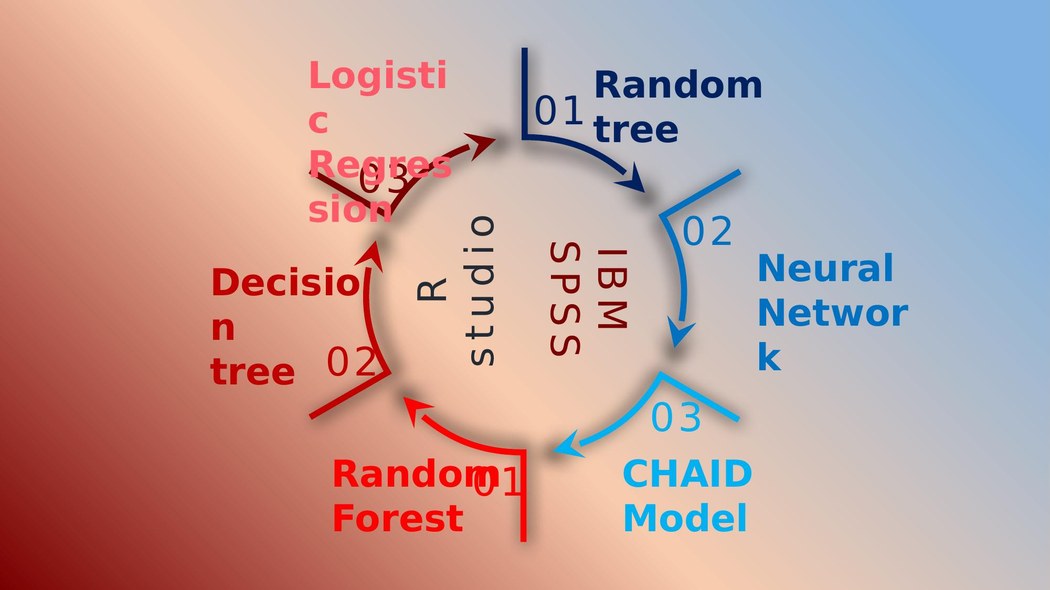
Ran the full KDD (Knowledge Discovery in Databases) process, objectives, data exploration, preprocessing, selection, modelling, evaluation. Balanced the classes, used recursive feature elimination to cut the feature set to what mattered, and compared six models, logistic regression, random tree, neural network, CHAID, random forest and decision tree, across SPSS and R. Built an interactive Tableau dashboard to communicate the findings.

Result

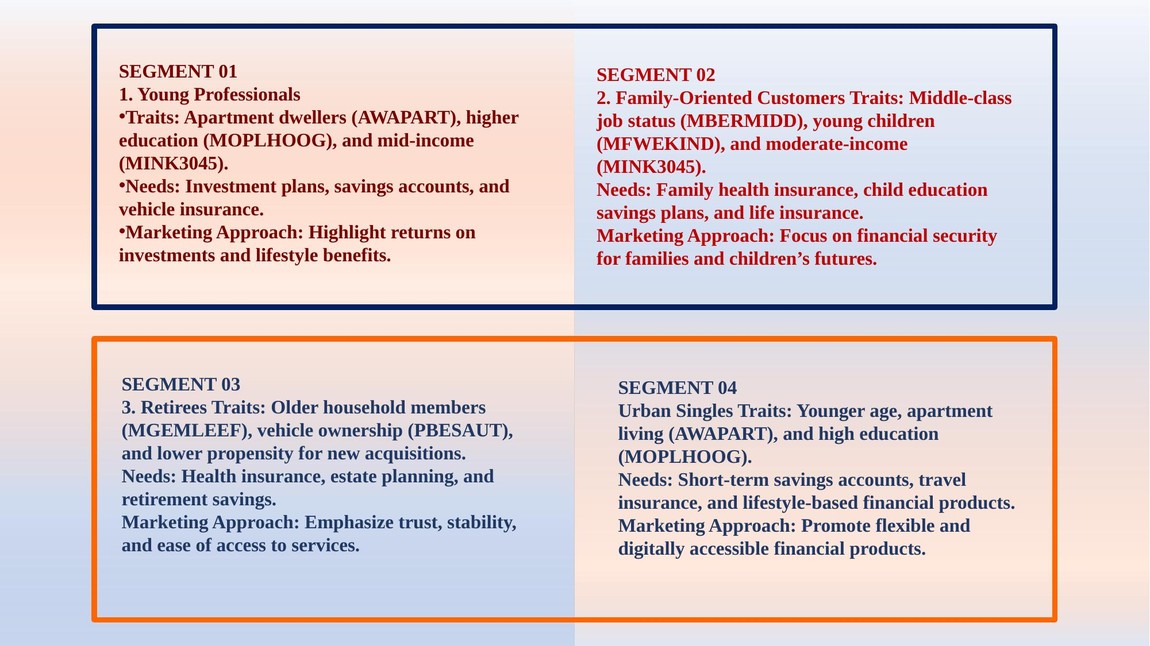
A champion model chosen on the ratios, and four named customer segments (Young Professionals, Family-Oriented, Retirees and Urban Singles), each with its traits, needs and a recommended marketing approach. That final step, turning a model score into segments a marketing team can actually act on, is the point of the whole exercise.

Tools

SPSS R Tableau KDD
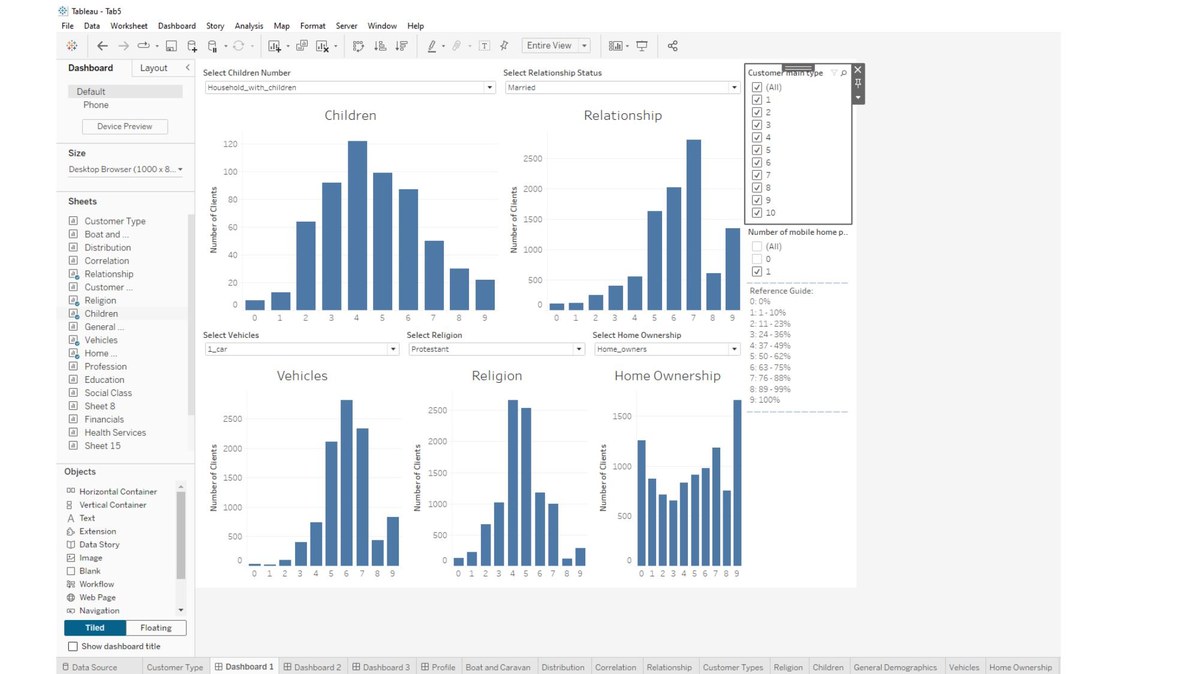
Interactive Tableau dashboard of caravan-insurance customers: bar charts for children, relationship, vehicles, religion and home ownership, with filters for children number, relationship status, vehicles and religion
The Tableau dashboard: interactive filters over customer demographics and policy holdings.
The six models trained across SPSS and R: logistic regression, random tree, neural network, CHAID, random forest and decision tree
Six models across SPSS and R: benchmarked, then a champion picked on the ratios.
The four customer segments: Young Professionals, Family-Oriented Customers, Retirees and Urban Singles, each with traits, needs and a marketing approach
The output: four customer segments with traits, needs and a marketing approach.