The problem
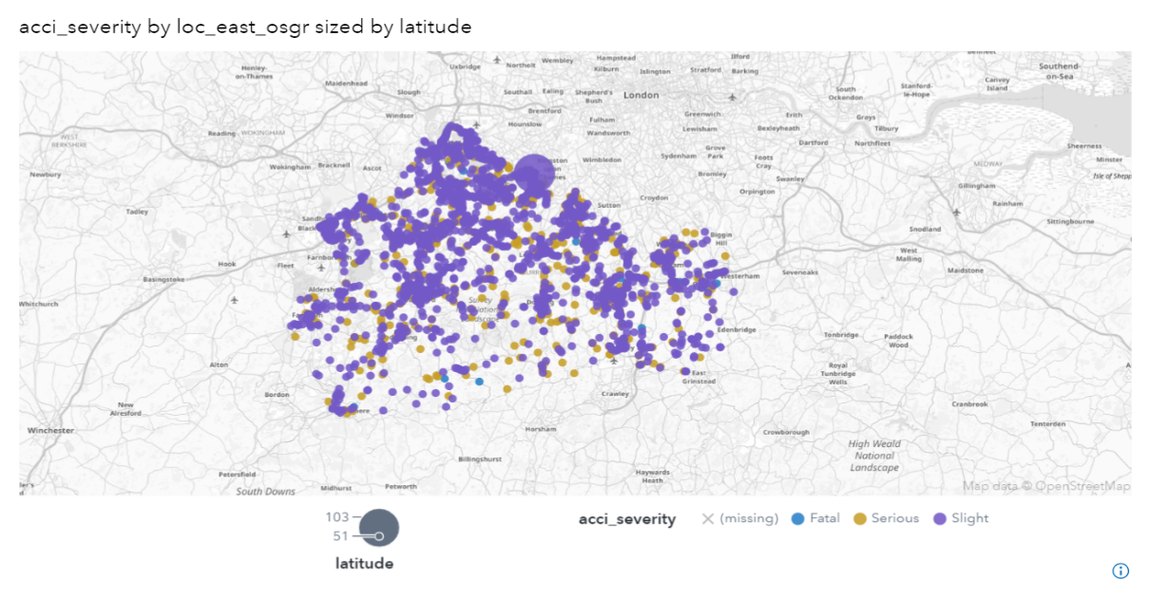
Predict how severe a road collision is likely to be, from a real set of Surrey road-safety records. It's the same shape of risk-classification problem an insurer or a transport authority runs when it needs to decide where to target limited intervention budget.
Approach
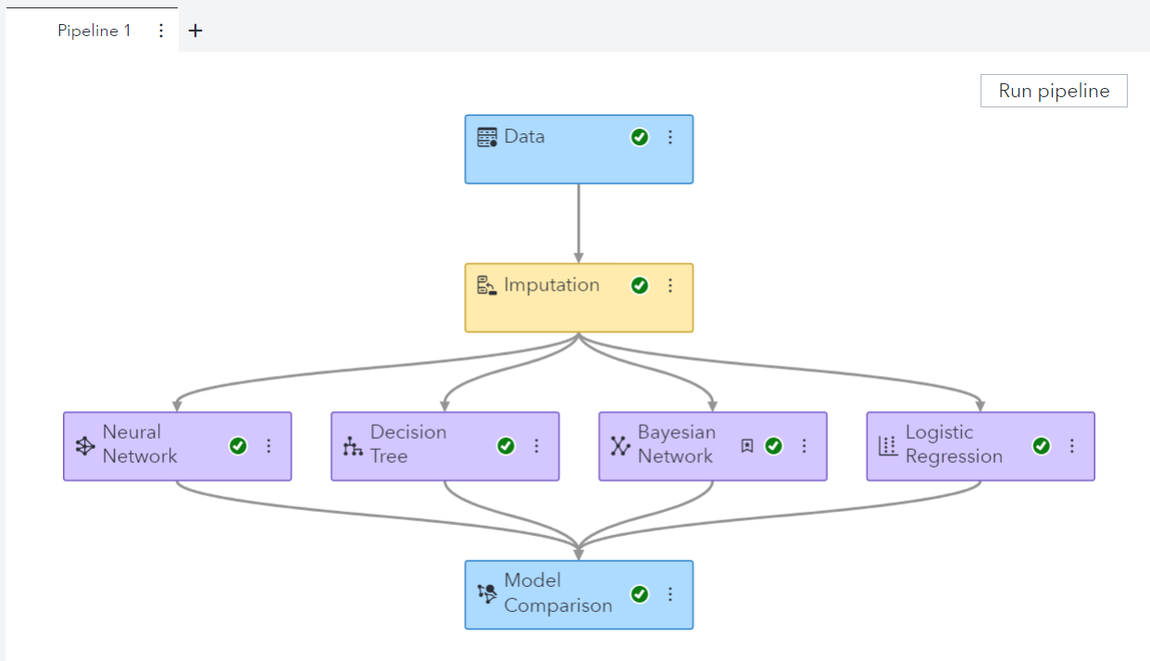
Cleaned and prepared the collision data, engineered and analysed the predictive features, then trained and compared several classification models. I selected the Bayesian Network as the champion because it predicted well and stayed interpretable: you can read the conditional relationships behind a prediction, not just the score. In a regulated or safety context, a model you can explain beats a marginally more accurate black box. Built in SAS Viya.
Result
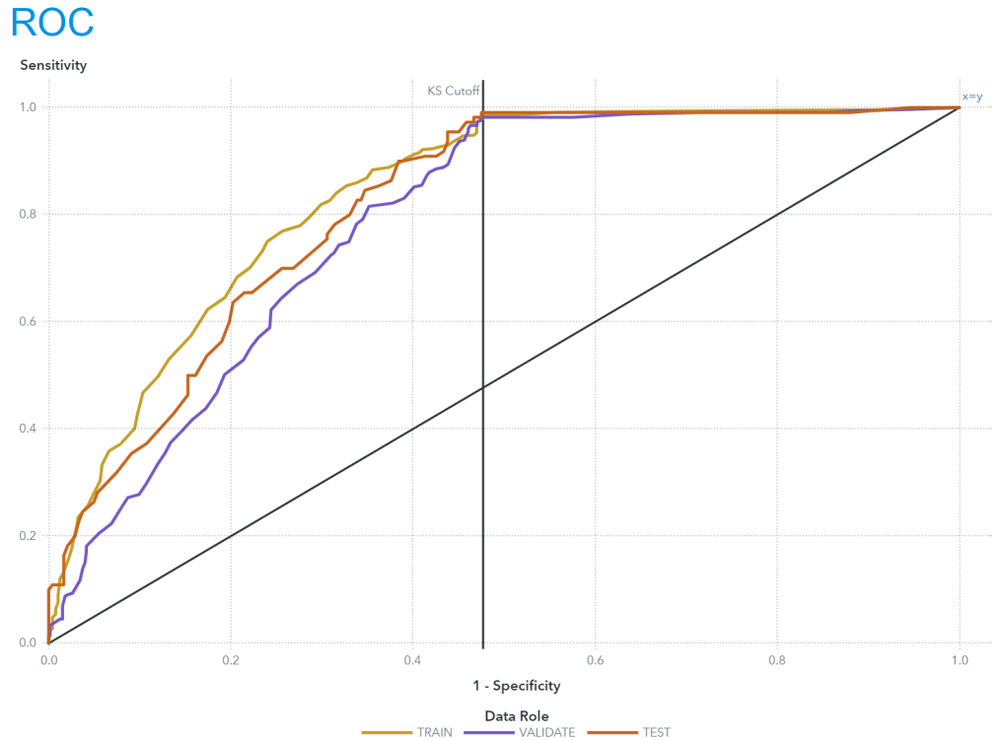
The champion model reached 78.4% accuracy across 2,480 records, chosen over the alternatives on the balance of accuracy and explainability, which is the trade-off a real risk model is actually judged on. Accuracy at that level, with reasons you can show, is enough to prioritise where interventions go rather than to auto-decide, and being clear about that boundary is part of the recommendation.
Tools
SAS Viya Bayesian Network Data mining